Founder's Log: What Should a Desktop Metal 3D Printer Be?
Story I: We Made A Desktop Metal 3D Printer. But No One Needed It.
For a long time, we focused on one question: Could we really put metal 3D printing on an ordinary desk?
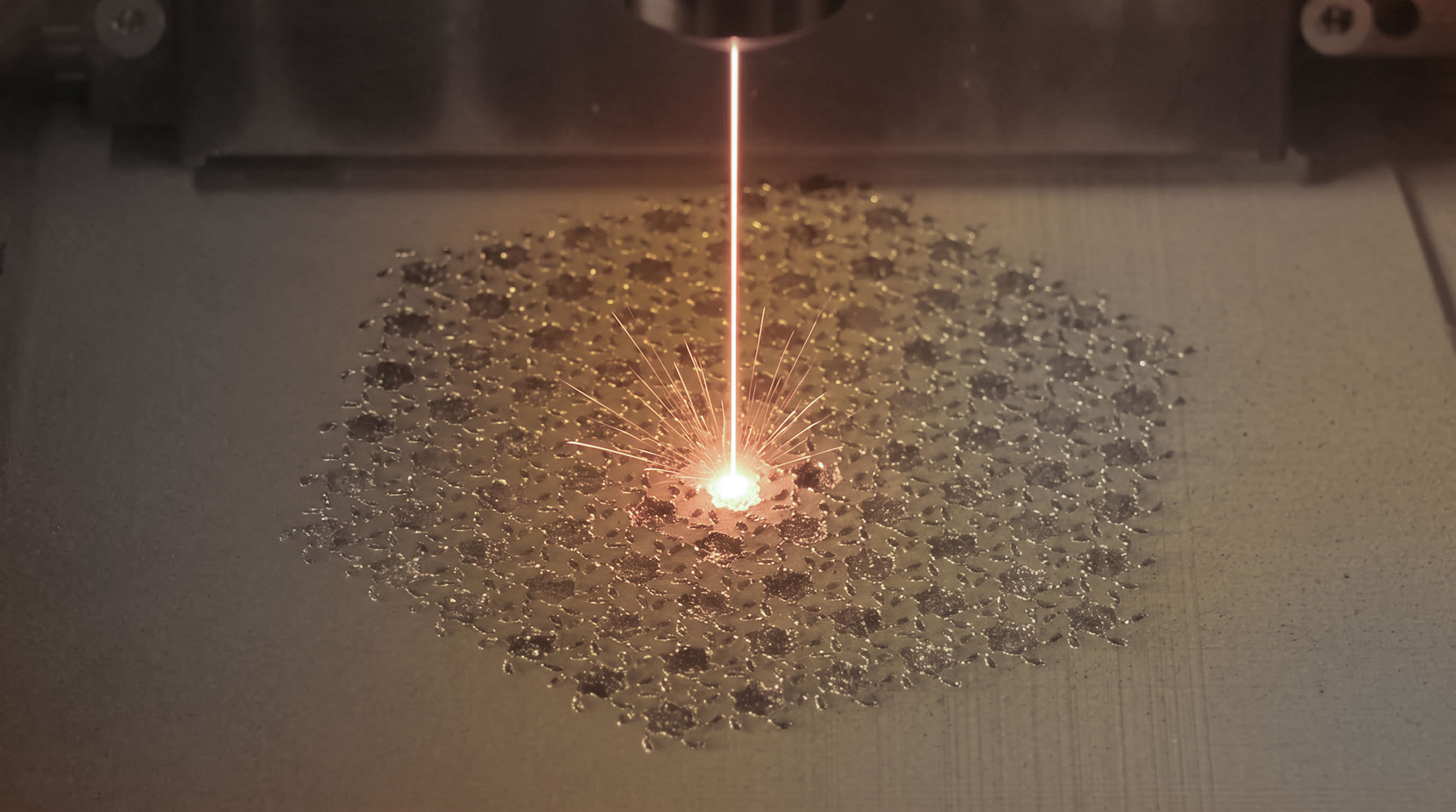
In 2022, we developed our wire laser-DED systems and control systems in China. By 2024, we had our first desktop metal printer, applying Wire Laser-DED (Directed Energy Deposition) technology, which uses a laser to melt 0.6mm fine metal wire and build parts layer by layer — almost like welding them into shape.
And it worked. It could print real metal parts.
There was just one awkward problem: even our own engineers rarely wanted to use it.
The frustration came after printing. Wire-DED parts often needed additional machining before they were ready to use. I kept asking myself: If we still had to send the parts out for machining, why not just send the CAD files in the first place?
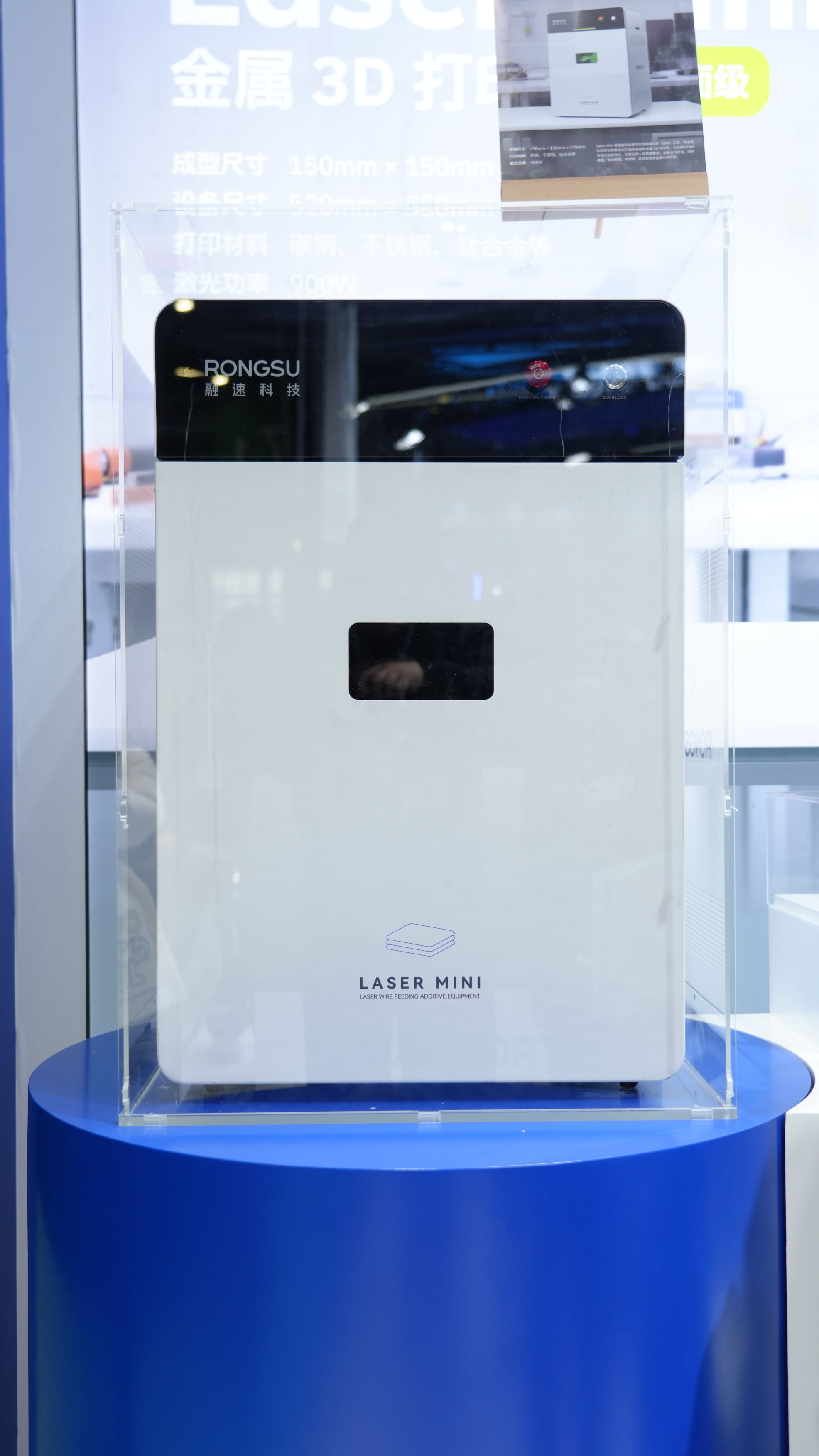
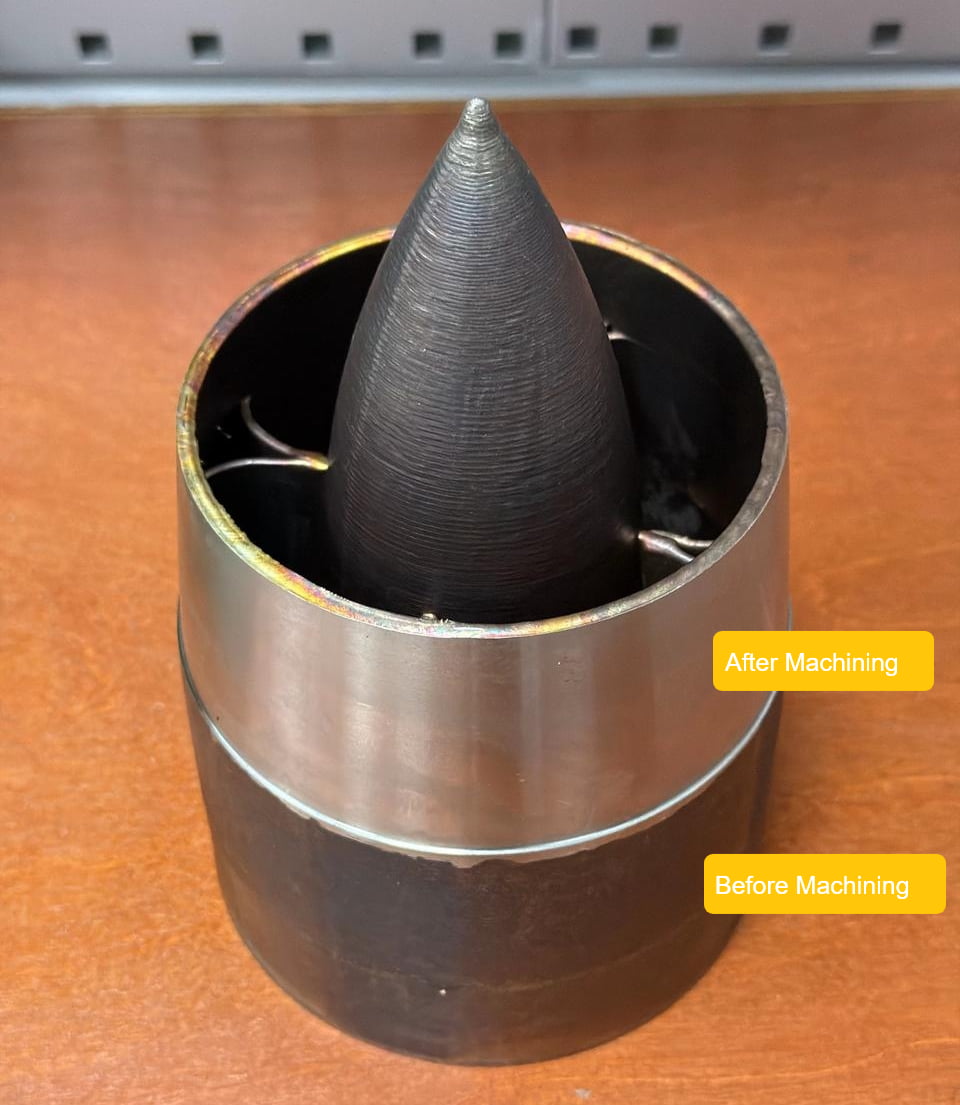
*Our Self-Developed Laser Mini (Left); Printed Metal Part After/Before Machining(Right)
That was our first reality check. Getting metal out of a printer wasn't enough for desktop applications. We need to make parts that people can actually use, without tedious post-processing. It means very high-precision metal 3D printing. That led us to Laser Powder Bed Fusion (L-PBF). It offered a better path to the fine details we wanted, though it came with new problems of its own.

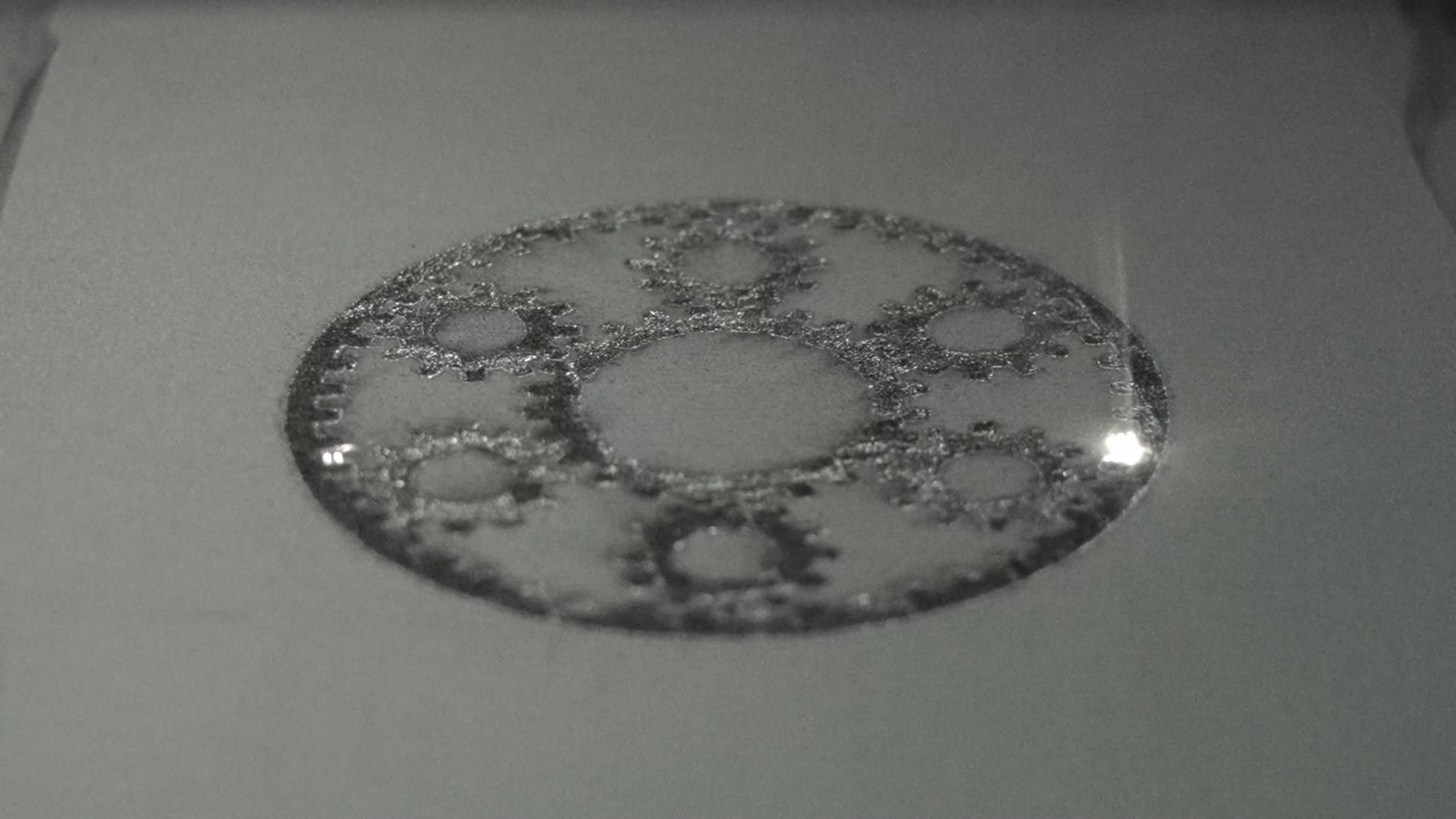
*Laser Powder Bed Fusion (L-PBF) Printing Process
As many experts in the 3D printing industry have pointed out, since L-PBF is a powder-based technology, powder safety remains a major barrier to desktop use. Furthermore, its cost can be very high.
We realized that a truly desktop metal 3D printer should meet three key requirements:
- High Precision
- Powder Safety & Health
- Acceptable Cost for Customers
During continuous exploration, the biggest change in our team's thinking was realizing that these issues were not inherent limitations of desktop L-PBF. THEY WERE PROBLEMS TO BE SOLVED. That was the challenging journey we experienced in 2025 and 2026!
Story II: High Precision: Why Did We Choose a 40um Laser Spot Finer than Most Industrial Machines Use?
To explore what level of precision would be good enough for parts to need no or very little post-processing work, we checked the surfaces of the parts printed by normal industrial L-PBF machines. Most of them need to be machined unless you don't need any surface roughness.
Furthermore, if people put it directly on their desks rather than in factories, what would they want to make, and what would they expect it to do? We found the wish list could go on and on: a custom bike component, a self-designed lighter case, jewelry or tiny tools. They all had something in common: small features, fine details, and high accuracy.
Finer details with much less work afterward. That's the goal.
Around 2025, several L-PBF companies started to explore fine laser spot(sub-40um) technology, which provides better surface roughness, higher accuracy and lower energy consumption. We believe this sub-40um L-PBF technology is the right one for desktop metal 3D printing scenarios.
However, the existing industrial machines mostly use laser spots at around 80–120μm, balancing fine detail with production capacity.

*Specifications of Industrial Machines; Sourced from Publicly Available Information
That makes sense for industrial production, but desktop users obviously had a different priority: Finish printing sooner but spend hours on CNC machining? Or print a little bit more slowly, but with almost no hard post-processing?
The answer was easy for us. As long as the total printing time is not too long, less processing is prioritised.
Therefore, we eventually settled on 40μm for SnowPod — roughly twice precisely than half the size those normally used in many industrial systems.
Story III: Powder Safety: Laser Photocopiers HIDE the Powder. Why Can’t L-PBF Metal Printers?
"SnowPod is like a photocopier, with powder enclosed handled."
Figuring out the right precision for desktop users, we were getting closer to the goal. Another problem could not be ignored: POWDER SAFETY. The process of powder handling still felt like factory work: pouring, cleaning, sieving and recovering loose powder.
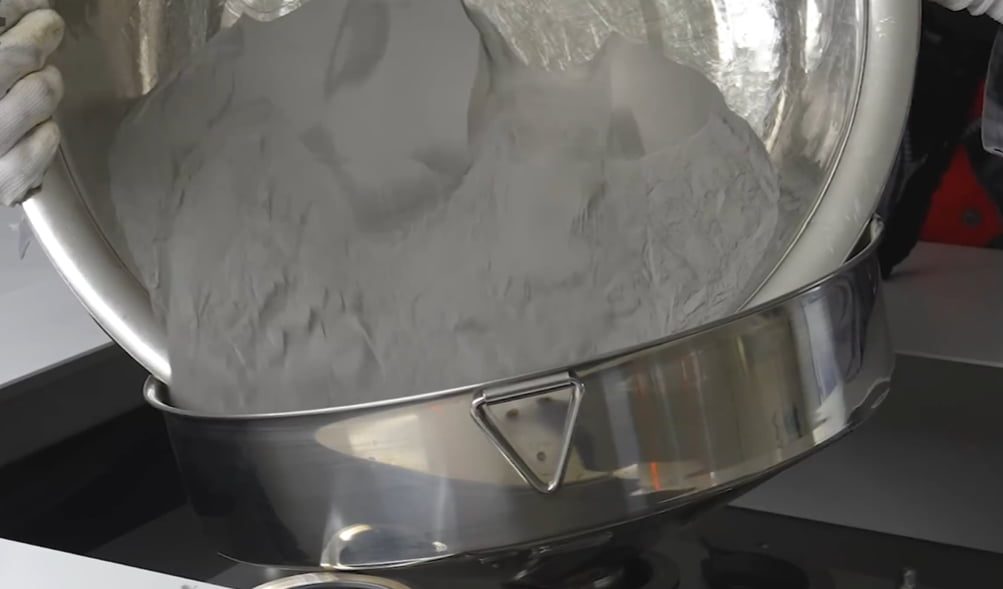
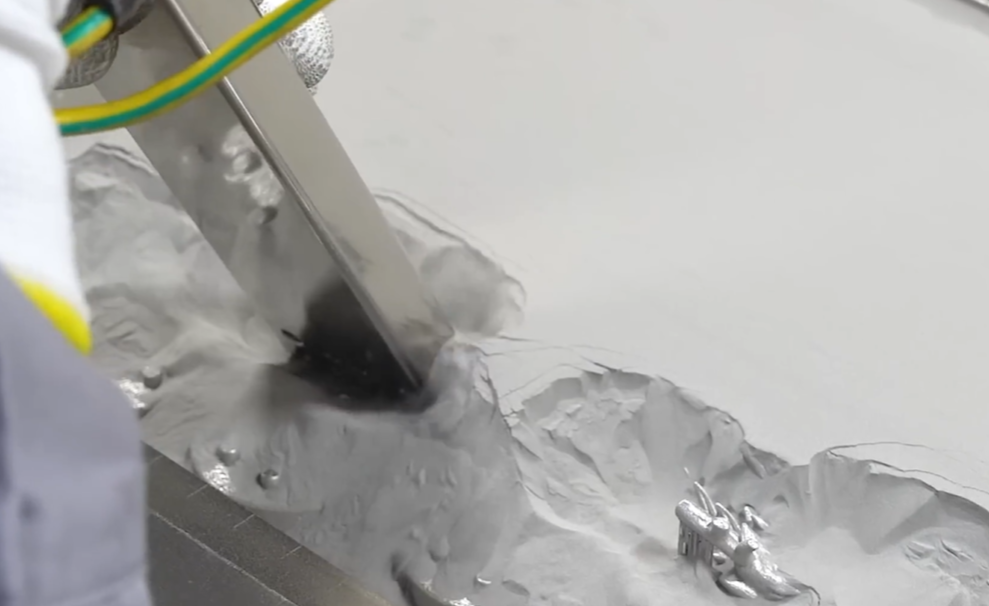
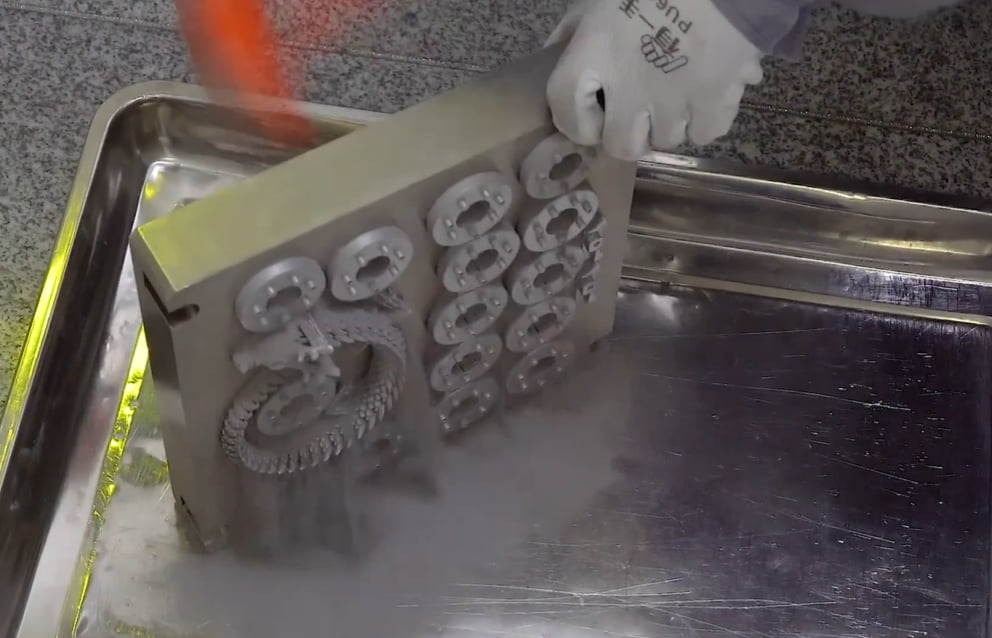
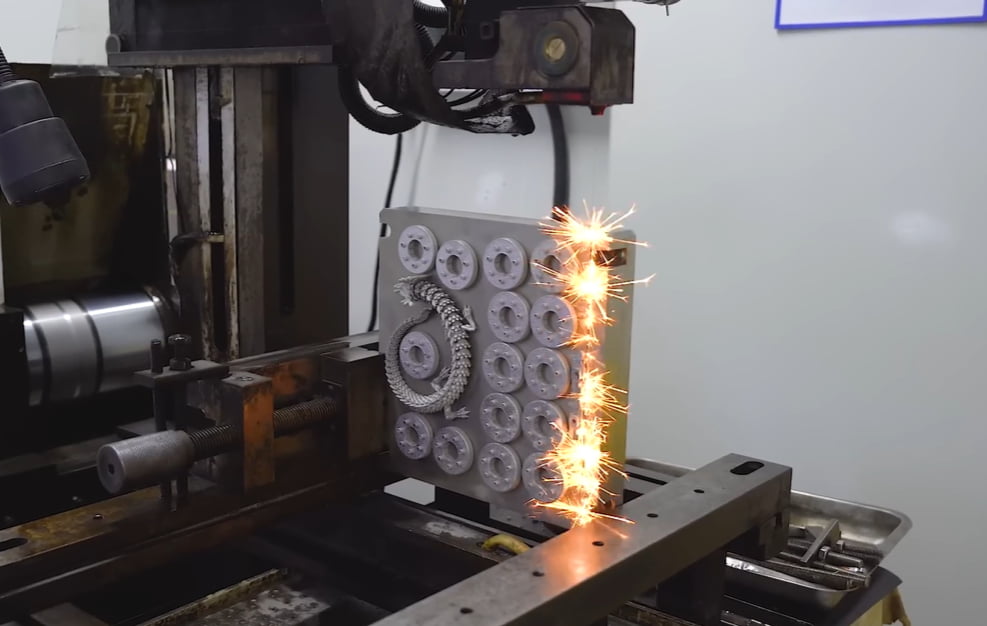
*Traditional Powder Handling of Industrial Printing (Powder Supply, Depowdering, Cleaning, Machining);Image Sourced from Publicly Available Information
The printing and copying industries have faced similar safety concerns, as they use micro carbon powder as printing material. Last century, the printing industry was still messy and dirty.
But after decades of development, photocopiers can operate in offices with toner powder safely contained inside. Even fine, lightweight toner particles—around 20μm in size and easily spread into the air—can be kept contained during normal operation.
Then why can't metal 3D printers handle powder as safely as photocopiers with toner? We use stainless steel powder, with larger particles—an vaverage size of around 30μm (17–53μm) that are also heavier to easily fall down.
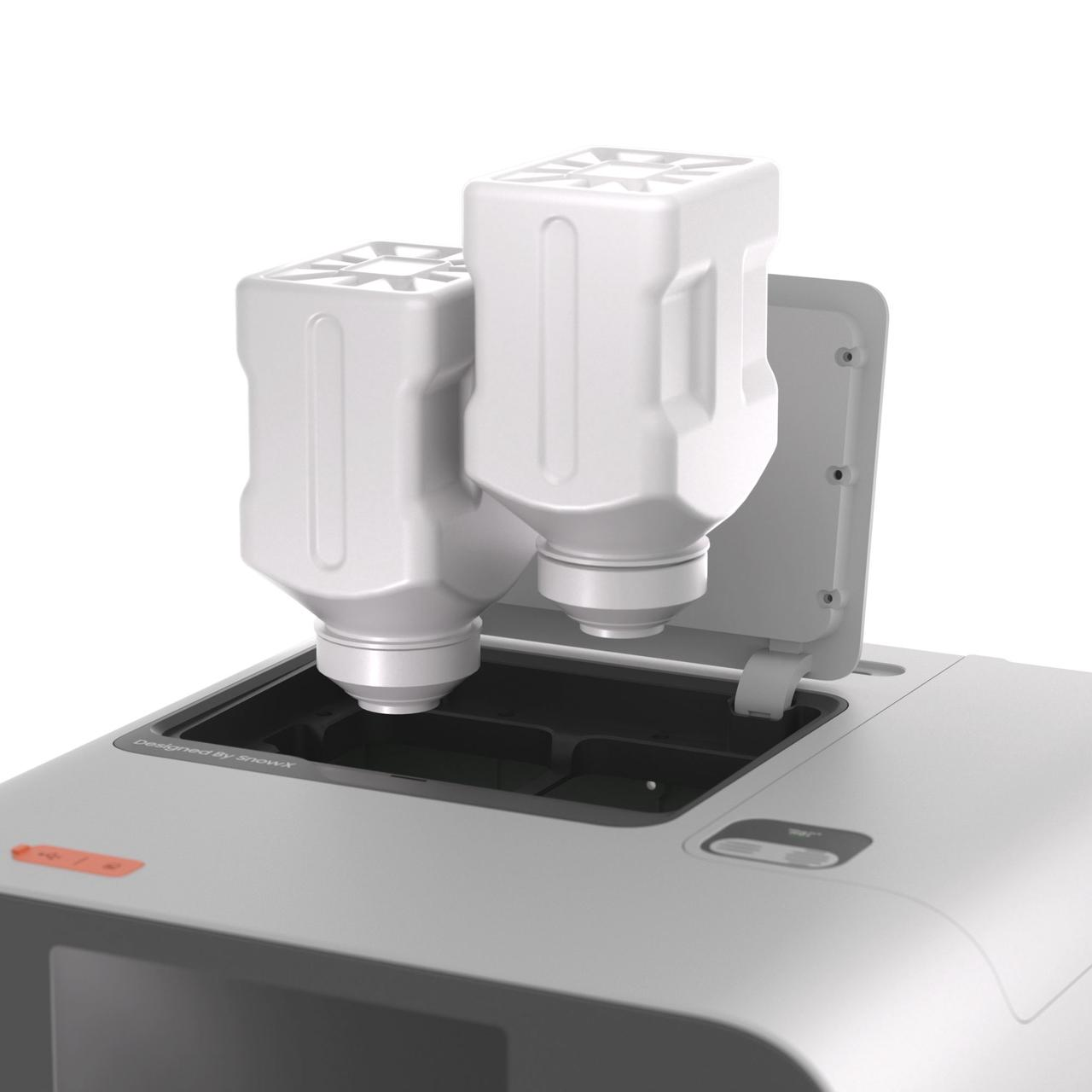
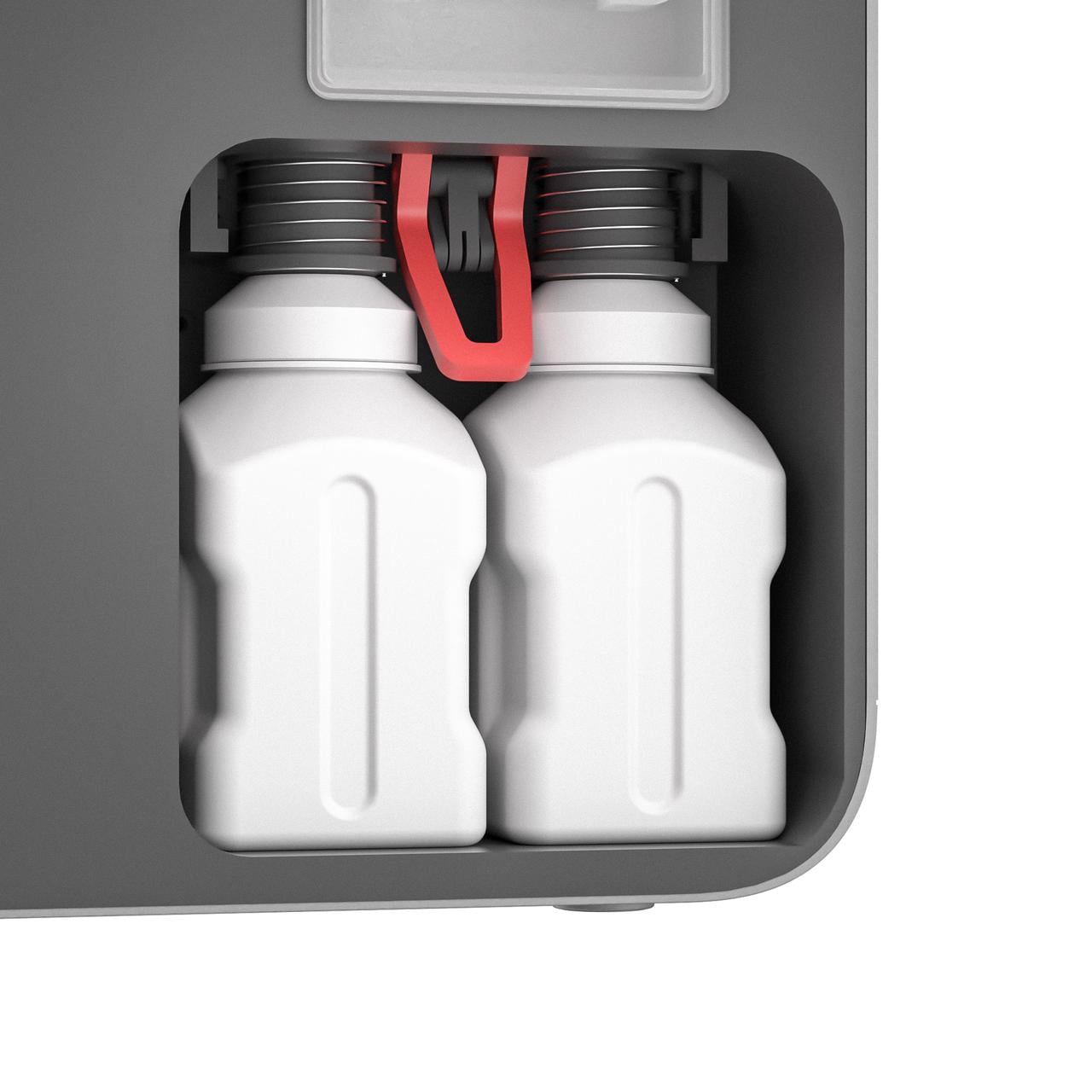
*Sealed and Replaceable Design for Powder Cartridges
In the last 20 years, L-PBF has evolved rapidly in printing quality and printing cost, but the powder-feeding system has changed relatively little. We believed we could make it safer with photocopier powder handling technology, exactly as the printing and copying industry has advanced over the last 50 years.
Therefore, we applied the toner cartridge idea of photocopiers to SnowPod. Our metal powder comes in a sealed, replaceable powder cartridge for both supply and recovery, with no need to pour it into the machine, and less chance of fine powder spreading into the air.
And we didn't stop here. SnowPod is like a vacuum cleaner and also a powder siever.
Rather than asking users to sieve it separately, we built vacumm cleaner and powder sieving and recovery into SnowPod itself. Unused powder is automatically collected in recovery cartridges at the bottom, always ready for the next print.
*How SnowPod Operates Powder Handling and Recovery Automatically
Safety is not enough, health also matters. When everybody worries about powder safety, WHAT IS THE REAL DANGER?
It wasn't just messy. The World Health Organization (WHO), the California Air Resources Board (CARB) and other health authorities all highlighted that main danger comes from particle size, particularly PM2.5 and PM10, which refer to particles with diameters less than 2.5 micron and 10 micron.

*Particulate Size Comparison;Sourced from CARB Official Website
The health risks associated with PM smaller than or equal to 2.5 microns (µm) in diameter (PM2.5) are of particular public health relevance. PM2.5 and PM10 are capable of penetrating deep into the lungs and PM2.5 can even enter the bloodstream, primarily resulting in cardiovascular and respiratory impacts.
—Sourced from World Health Organization (WHO)
Can we remove PM2.5 and PM10?
That's where air filtration comes in. SnowPod is like an air purifier.
We have a multi-stage filtration system. The particles all have to go through a cyclone for initial filtration, dual H13 filters for internal filtration, and an H14 filter for external filtration—rated for a filtration efficiency of up to 99.995% for particle sizes larger than 0.3μm.
We also put the PM2.5 sensor near the top of the machine, close to where users normally breathe, to monitor particle levels near the upper air outlet.
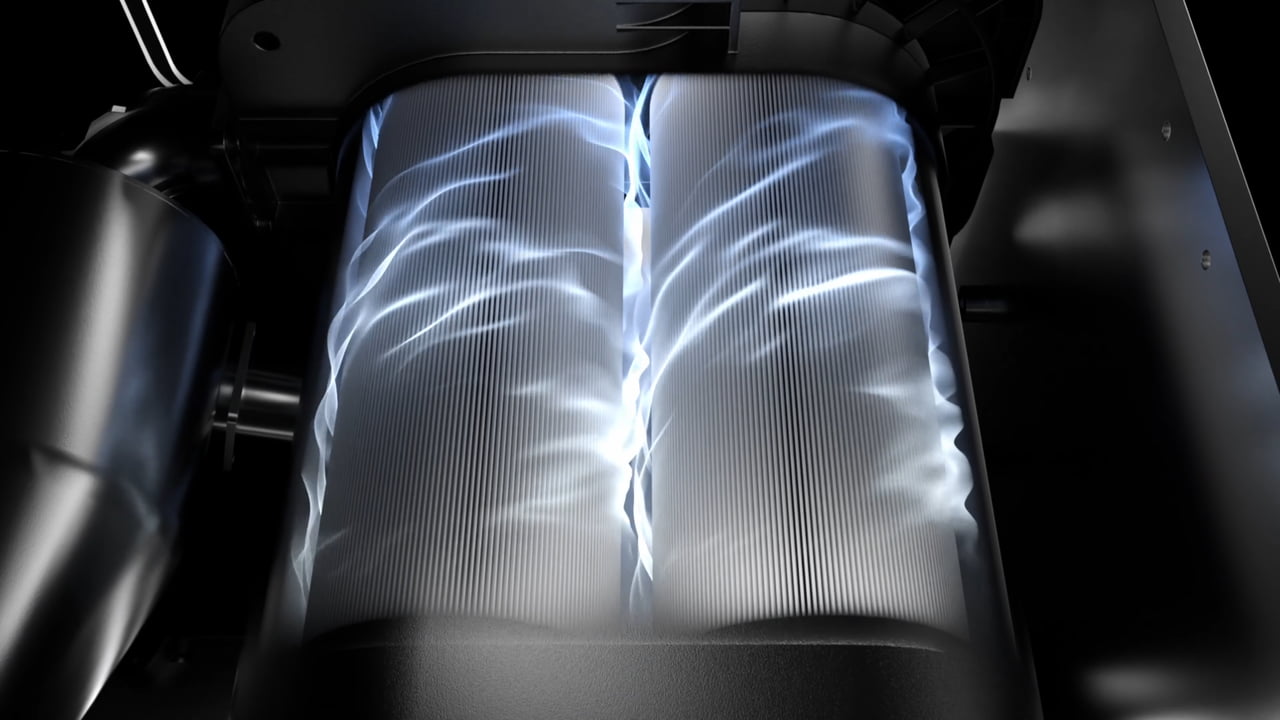
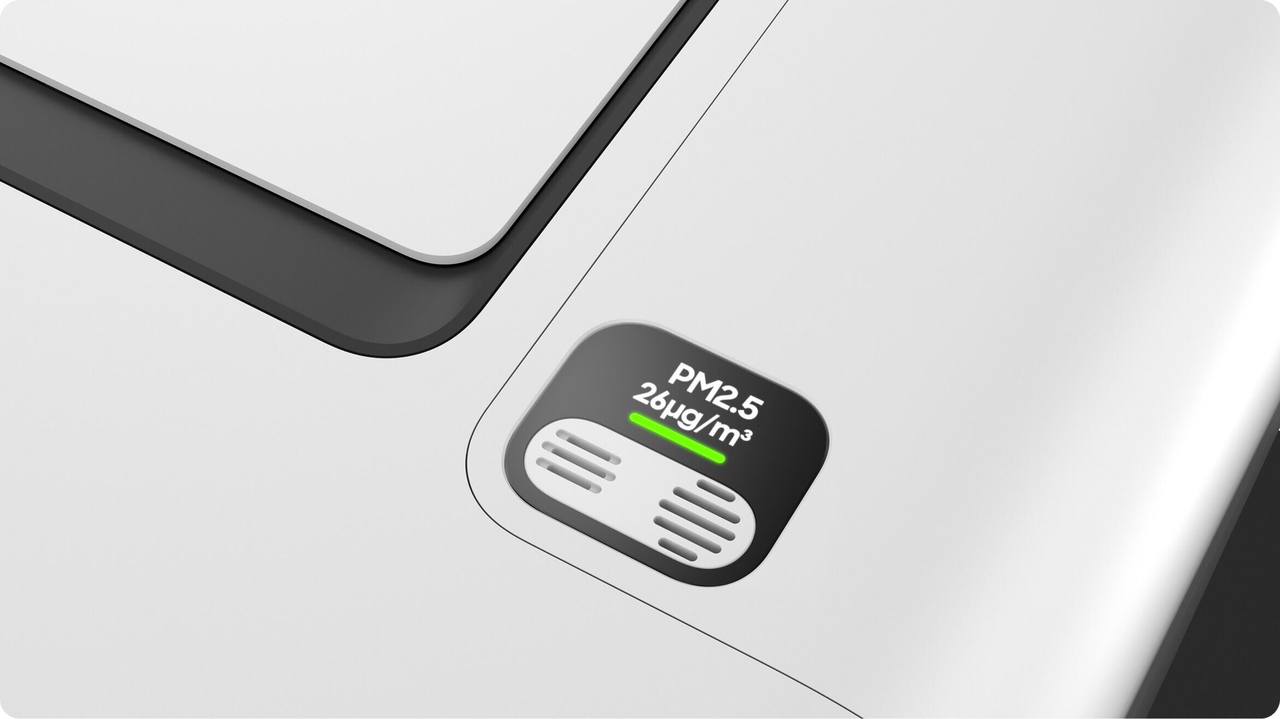
*High HEPA Level Filtration / PM2.5 Monitoring Sensor
Moving beyond tranditional factory-style workflows, we borrowed ideas from different fields and products, and finally rethought the entire powder-handling experience—from material selection and loading to retrieval, recovery, filtration, and monitoring—inside one connected system.
Story Ⅳ: Acceptable Cost: Cutting the Price of an L-PBF Printer from $100,000 to $10,000 — Possible?
Back then, even the more affordable L-PBF machines came with a six-figure price tag. We couldn't help asking ourselves: "Why would a laser source with four motors cost 100,000USD?"
To understand where the cost of an L-PBF machine came from, we focused on two key components: the high-precision laser source and the galvanometer scanner.
After two years of developing experience with our own lasers for wire DED machines, we were confident about bringing down the laser cost. The galvo scanner was another story. We wondered if we could replace it with a cheaper Cartesian gantry system. Instead of steering the laser with mirrors, why not move the laser spot mechanically?
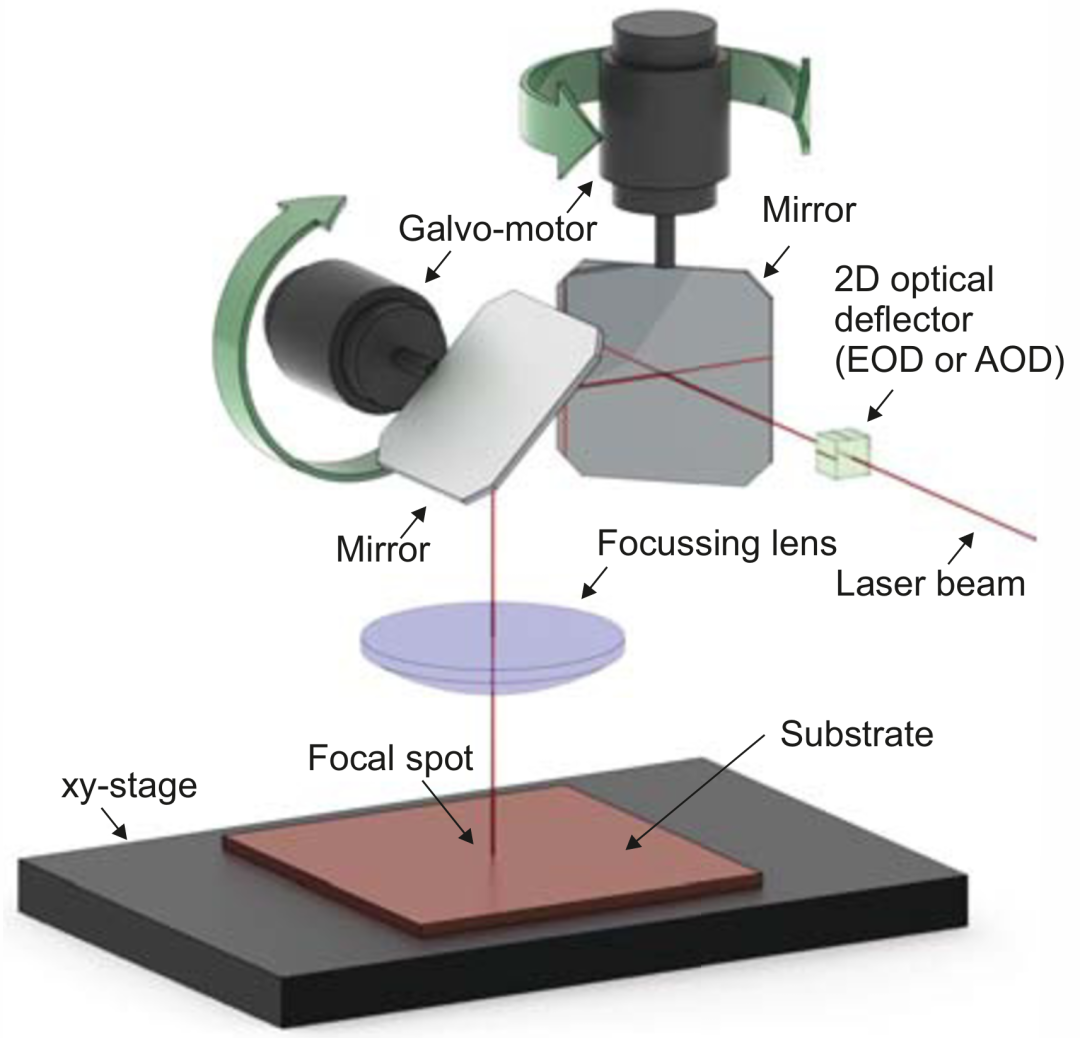
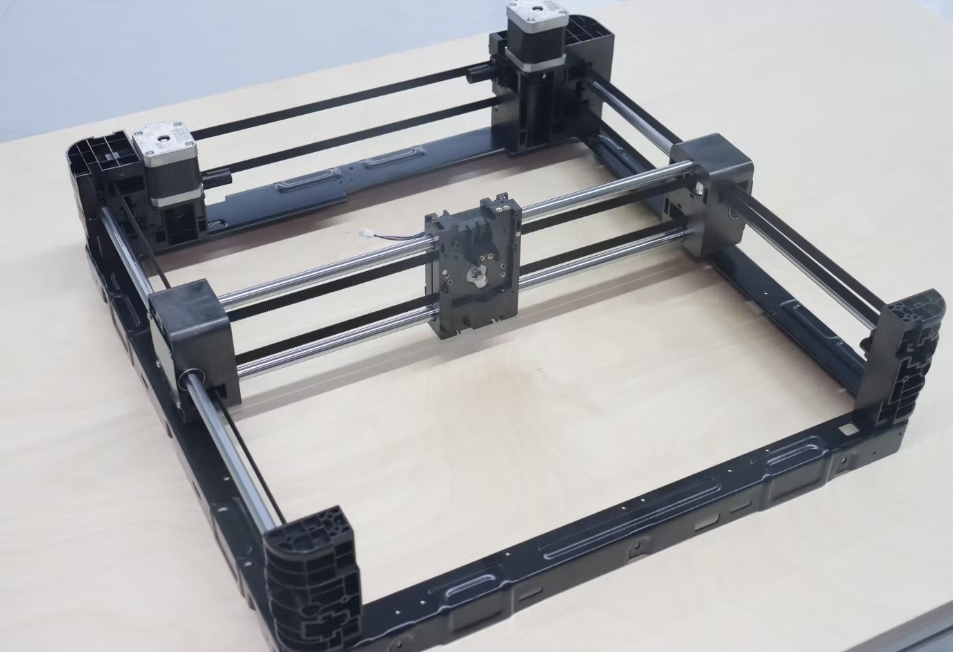
*Galvanometer Scanner Structure (Left) vs. CoreXY Structure (Right); Image sourced from publicly available information
But as we had learned earlier, precision was non-negotiable. L-PBF galvo scanners typically require positioning accuracy of around 5–10μm. A basic gantry can be cheap, but achieving that level of precision means expensive encoders, motors, guide rails and controllers. Then we came across Peopoly's Magneto X with a claimed accuracy of around 5μm using linear motor gantry.

*Magneto X Linear Motor FFF 3D Printer by Peopoly; Image sourced from Peopoly Official Website
We built our own prototype. However, the costs also added up.
My engineers were urging me to give up on linear motors: "Why would a system with two linear guides, two linear motors, and two controllers be cheaper than a galvo scanner with just two rotary motors?"
I still believed in linear motors, but agreed to let them develop a galvo system as a backup—cost was my biggest concern. In earlier projects, even the cheapest galvo controller had cost us $3,000. Fortunately, our engineers finally got our own galvo controller working — bringing the controller's hardware cost almost down to the cost of the PCB itself!

*A Galvo Scanner; Image Sourced from Publicly Available Information
I should admit that my engineers saw it before I did: the galvo could actually be cheaper. More importantly, that detour changed our definition of innovation.
Story Ⅴ: Support Removal: What If Metal Supports Could Be Broken Like a Zipper?
Once we could finish the product design, print a part, handle the powder and get it out of the machine, one stubborn problem remained: the part was still attached to the build plate.

*Printed Openwork Rings with Support Structure
Our initial solution was a cast saw. But we soon realized that sawing parts off the plate was simply too cumbersome to be practical.
Then one of our brilliant engineers came up with an idea: If we could print such fine details, why not make the supports extremely thin, almost like aluminum foil?
So we printed our first foil-thin support structure, and it worked! We could crush and tear it right off the build plate easily. We thought we'd cracked the problem.

*Remove the Origami Support Structure Easily
But that excitement didn't last long. Over the next week, we tested these ultra-thin supports on different parts. This time, the parts wouldn't come off at all.
After a closer look, we realized that even with supports this thin, trying to remove the entire part at once distributed the force across all the support points, so no single support experienced enough force to reach its breaking point.
This made us realize that what we needed to do was pull the structure from one side, concentrating the force on one support at a time until it reached its breaking point. That way, the supports could collapse progressively, one after another — almost like opening a zipper.
The way these thin structures could fold and collapse reminded us of origami, the art of folding paper. So we started calling them Origami-Style supports.
The key to removing these supports was to concentrate stress where we wanted them to break. During testing, we also found that a pair of wire cutters worked particularly well with this design, easier and more straightforward.

*Automatically Generated Support in SnowPath
The support design also becomes part of SnowPath, our slicing software. It can automatically generate support structures tailored to each printing model's geometry, designed to stay stable during printing and be easier to remove afterward.
Story Ⅵ: SnowPod—Why Name a Metal 3D Printer After Snow?
Somehow, the powder reminds us of snow. People create completely different things with snow: a snowman, a castle, a sculpture, or something no one has imagined before.
The powder is the same, and the possibilities are endless.

*Snow World with Full Creation; Image Generated by AIGC
SnowX carries forward the same boundless imagination and sense of wonder from playing in the snow. That spirit inspires us to explore what's possible. We bring the joy of creation to more people by starting with the creator. We find friction, rethink the experience, and make it better.

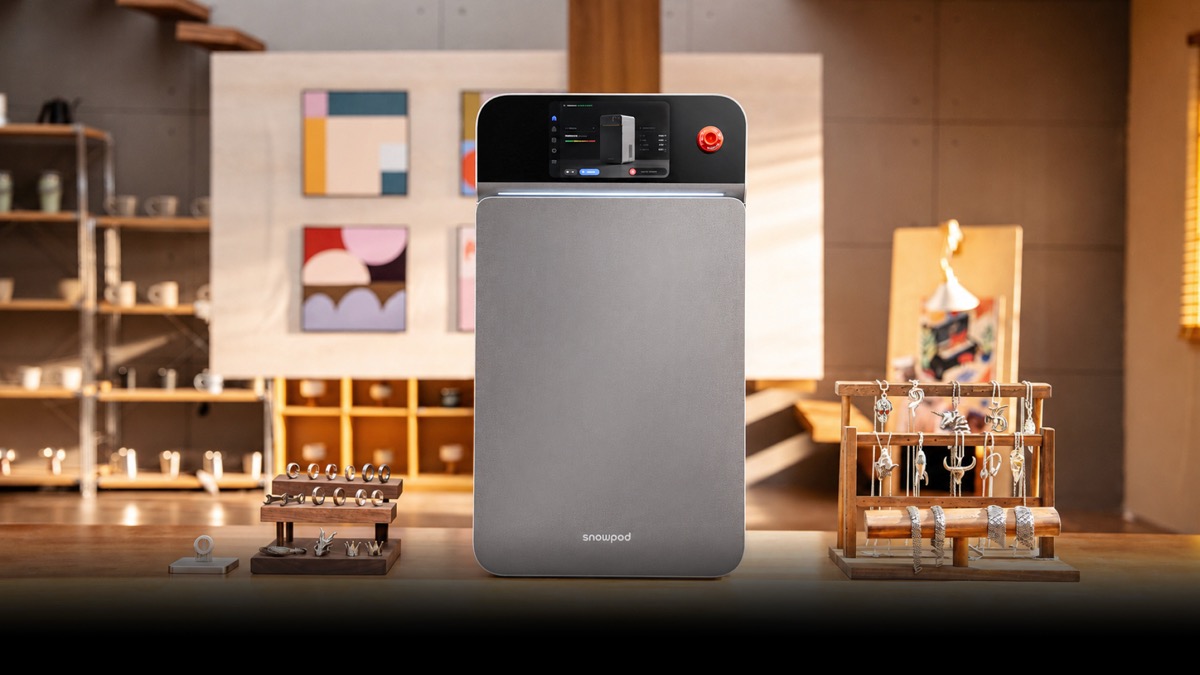
*SnowPod, Real Desktop-Sized Metal 3D Printer
We’d love to see what happens when people outside our team start using SnowPod — engineers, artists, designers, makers, origami researchers, or anyone who looks at the way something is done today and wonders if there might be a better or more interesting way.
In the end, the goal was never just to put another machine on a desk.
It was to put this kind of making within reach of more people, to make the world more interesting.