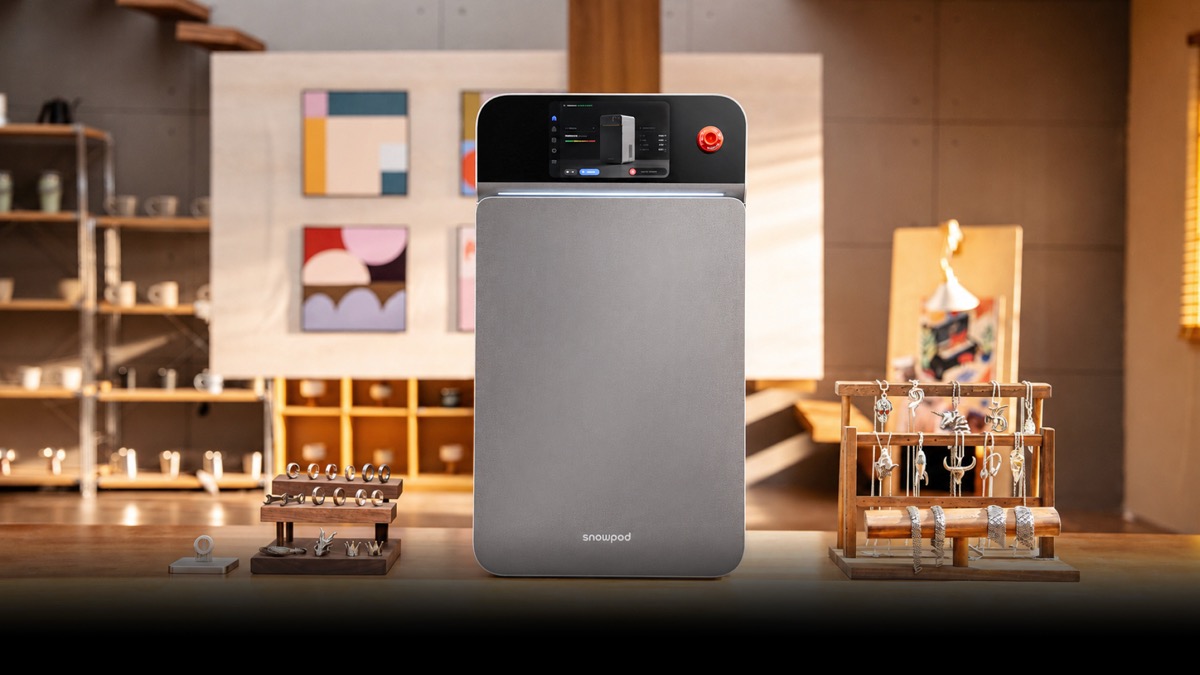
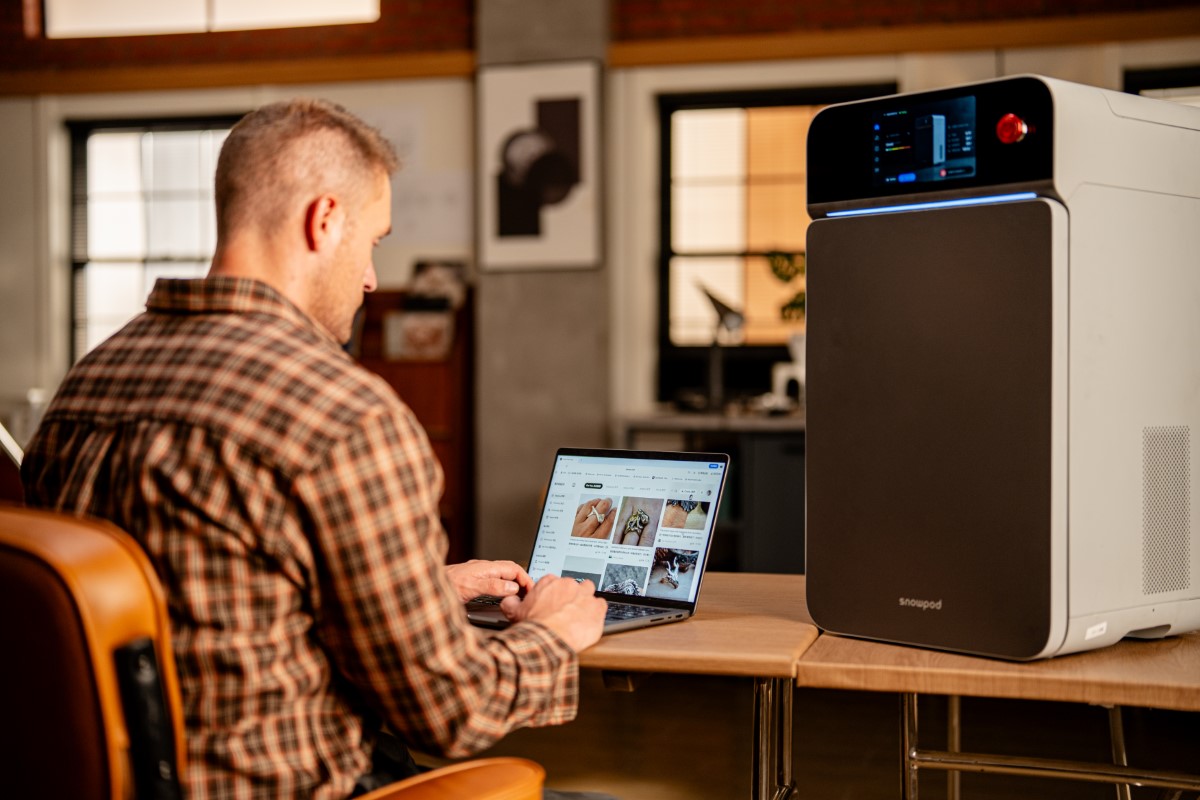
A Desktop Metal Printer Shouldn’t Be This Precise? Yet Here We Are.
If You Have a Desktop Metal 3D Printer, What Should It Be Able to Do?
If you had a metal-making dream machine, or in other words, a metal 3D printer sitting on your desk, what would you want to print and what would you expect it to have?

*Metal parts We Want Most; Image generated by AIGC
A custom bike component. A lighter case with your own design. A piece of jewelry. A tiny tool. A 1:64 model car part. Maybe even your own Golden Snitch. I believe your list could go on and on. And as you can see, most of them share something in common: small features, fine details, and smooth surfaces.
Considering that most individuals do not want to, or are not able to deal with heavy post-processing, it means a desktop metal 3D printer needs to deliver high accuracy and strong geometric capability from the start.
This is where laser powder bed fusion (L-PBF) becomes an especially good fit, as it gives us the freedom to produce a wide range of complex metal geometries. The harder part is making those geometries detailed and precise enough.
Finer Details Start With a Finer Spot
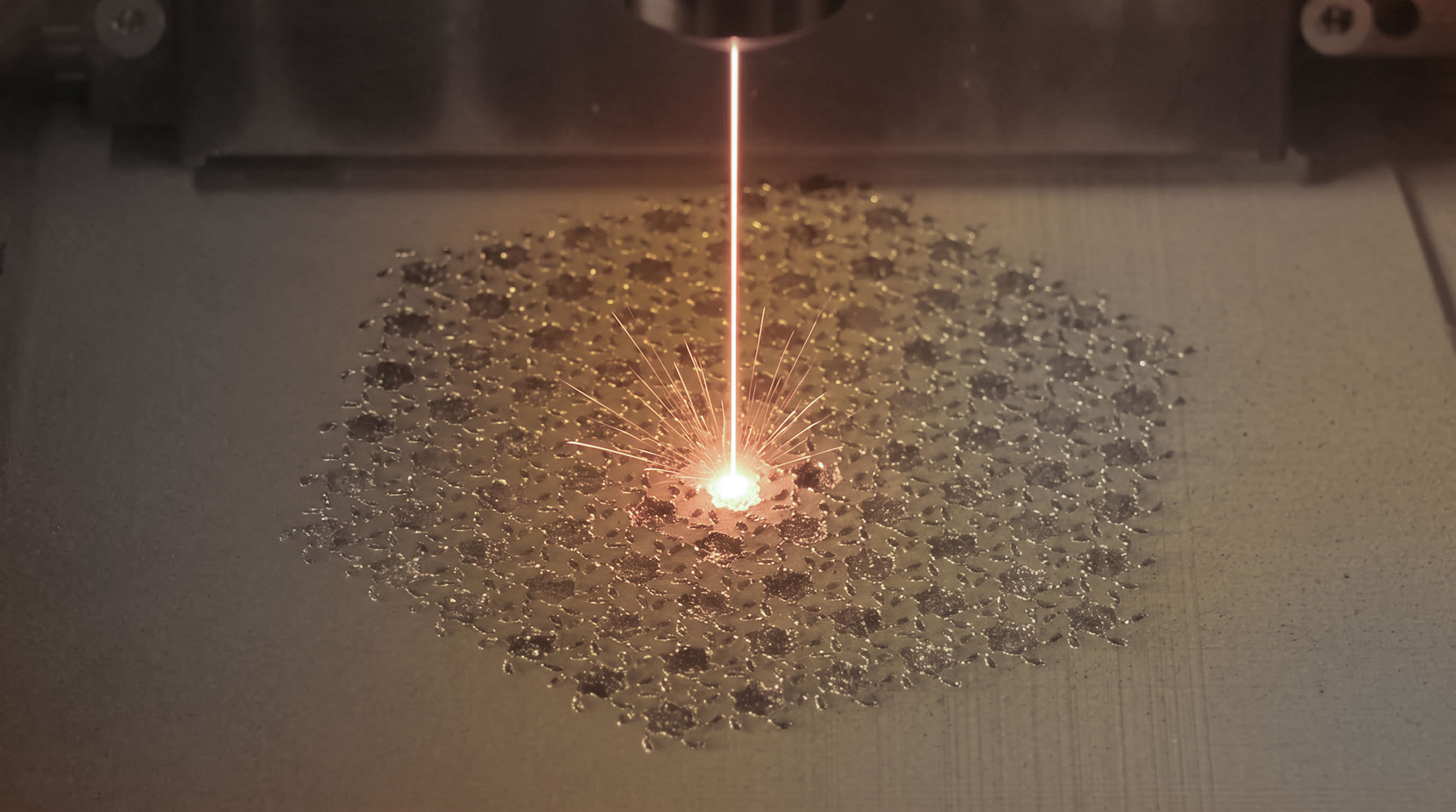
In L-PBF, a focused laser melts metal powder layer by layer, tracing the geometry of the part as it builds. Think of the laser spot as the tip of a pen. The finer the tip, the more detail it can capture. Spot size works the same way.
Industrial metal printers can already make small parts and jewelry pieces, but the level of detail still leaves room for improvement in consumer use. They are often optimizeed for higher production capacity, so spot sizes are commonly around 80-120μm, since a larger spot can enable fasster printing and a lower cost per part.

*Specifications of Industrial Metal 3D Printers; Sourced from Publicly Available Information
But for a desktop machine making small, detailed parts, whether a print takes 2 hours or 4 hours doesn’t make much difference. Instead, what makes a much bigger difference is getting a finer part that needs no heavy post-processing.
After testing different spot sizes and printing conditions, we chose 40μm-ish (maybe 35μm) as SnowPod’s working spot size—about half the size commonly used in industrial metal printers.
40μm Does More Than Improve Detail

*A tiny metal-dragon printed by SnowPod
40μm is fine enough to preserve small features while remaining stable for everyday metal printing. Smaller contours, tighter gaps, sharper edges, and finer features translate into more precise metal parts.

*Energy Density = Laser Power/ Spot Area; Image generated by AIGC
The benefits of choosing 40μm go beyond precision. A finer spot means SnowPod can achieve the same energy density as a lower-power laser. Less power means less heat, fewer cooling channels, and fewer laser chips, allowing the overall system to be lighter and less expensive—important for a machine designed to live on a desk.
So 40μm isn’t just about making finer parts. It helps make the entire machine more compact and ultimately more affordable.
What Matters Is the Part You Get
In the end, nobody really cares about a 40μm laser spot. What truly matters is whether the details we designed survive in metal.

*A variety of intricate, precision metal parts, created with SnowPod.
SnowPod started with the detailed metal parts people actually want to make, and then engineered the optical system to bring those ideas into the real world. We are not simply shrinking an industrial metal printer — we are designing around how people will actually use it.
What's NEXT: SnowPod Powder Safety
Precision was the first step, but for a desktop SLM metal 3D printer, it isn’t enough. The entire workflow also has to fit naturally into everyday life. If making something you love is messy, unsafe, and requires factory-style protection, it is hard to call the printer a truly desktop product.
So the next question became just as clear: How can we ensure the process is safe without complicated steps? Perhaps next time, we can start by talking about how SnowPod handles its powder safety.