Toner Stays in the Cartridge. Why Doesn’t Metal Powder?
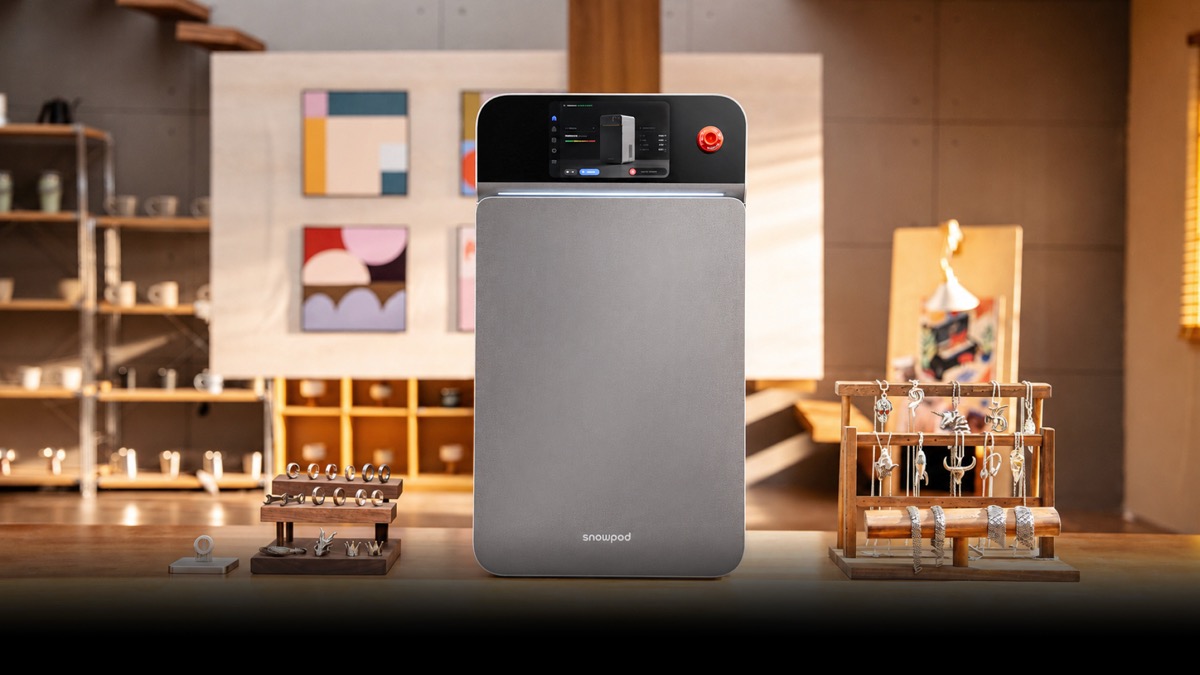
When people think about bringing an L-PBF/SLM metal 3D printer onto the desktop, POWDER SAFETY is often one of the first concerns.
The printing and copying industry faced a similar challenge 50 years ago. Over time, it evolved from messy, powder-intensive processes into the clean, sophisticated machines we use today. Modern laser photocopiers work with fine toner particles, often around 20μm, yet for most users, toner barely feels unsafe.

*Then and Now—Printing and Copying Industry Transformed; Image generated by AIGC
Over the past 20 years, the L-PBF industry has advanced rapidly in efficiency and accuracy. But powder handling has not changed nearly as much.
If a laser printer can keep fine powder largely inside the system, why does metal printing still require users to pour, sieve, transfer, and clean loose powder by hand?
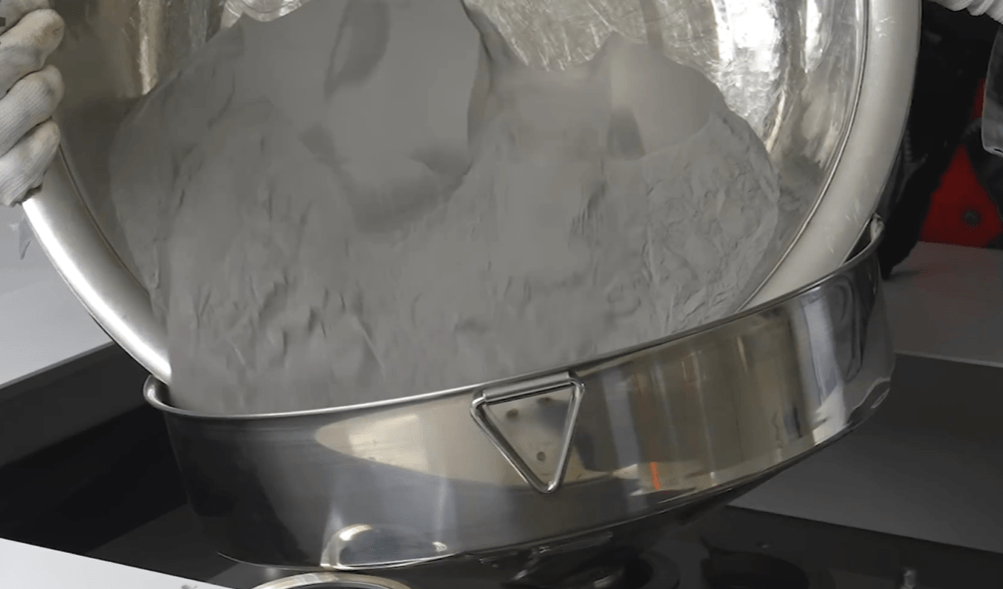
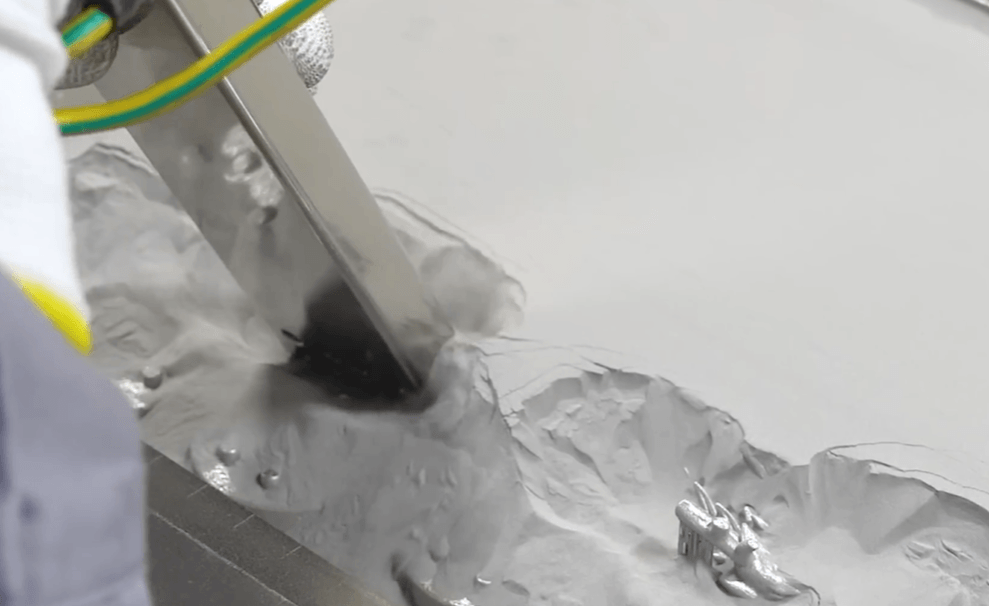
*Traditional Powder Handling of Industrial Printing;Image Sourced from Publicly Available Information
For SnowPod, that question became the starting point for rethinking the powder-handling workflow.
How to Make Powder Handling Enclosed in Practice?
That thinking led to what we call Enclosed Powder Handling: reducing open, manual powder handling throughout the normal workflow.
From powder supply, printing, to part retrieval and recovery, each step is designed to be more contained, with less open powder handling throughout the process.
Plug-In Powder Supply, Made Simple
*Sealed Operating Environment
SnowPod uses sealed, plug-and-play powder cartridges, making powder supply simple without scooping, pouring, or manually transferring loose powder. Furthermore, once the printing process begins, the build chamber remains sealed, adding another layer of protection against powder spread.
Plug-in powder supply. Sealed printing environment.
Depowder First, Then Retrieve the Part
*Part Retrieval with SnowPod Transfer Box
The most vulnerable moment often comes after printing: opening the chamber and taking the part out.
To close that gap, we designed a dual-door transfer system. The outer door opens only after depowdering is complete and the PM2.5 level falls within the required range. The user then docks the transfer box, the inner door opens, and the recoater pushes the part directly inside.
What about if a small amount of powder adhering to the part ?
It can be wetted with water inside the box, turning it into a slurry to prevent it from spreading. So when the part comes out, powder handling stays enclosed.
Closing the Loop on Powder Recovery
*How SnowPod Operates Powder Handling and Recovery Automatically
Powder recovery can easily become another point where users have to scoop, sieve, and transfer loose powder by hand.
Rather than asking users to sieve it separately, we built vacuum cleaner and powder sieving into SnowPod itself. Unused powder is automatically sieved and collected in recovery cartridges at the bottom after each print.
The current recovery rate can reach over 90% based on our lab tests.
The loop is closed: move the cartridge back to the top, and the recovered powder is ready for the next print.
What's the Real Danger of Airborne Powder?
When everybody worries about powder safety, WHAT IS THE REAL DANGER?
Metal powder is not simply messy. One of the main risks starts when fine particles get into the air and can be breathed in.
The World Health Organization (WHO), the California Air Resources Board (CARB) and other health authorities all highlighted that main danger comes from particle size, particularly PM2.5 and PM10, which refer to particles with diameters less than 2.5 micron and 10 micron.

*Particulate Size Comparison;Sourced from CARB Official Website
The health risks associated with PM smaller than or equal to 2.5 microns (µm) in diameter (PM2.5) are of particular public health relevance. PM2.5 and PM10 are capable of penetrating deep into the lungs and PM2.5 can even enter the bloodstream, primarily resulting in cardiovascular and respiratory impacts.
—Sourced from World Health Organization (WHO)
For desktop metal 3D printing, apart from the enclosed powder handling process, another key question is: how do we stop fine powder from getting into the air?
Remove PM2.5 and PM10—— From Powder to Filtration
We start with the powder itself. SnowPod chooses stainless-steel powder with an average particle size around 30μm (17–53μm). The particles are essentially larger than 2.5μm and 10μm, which can fall back down more easily, while this powder range also helps reduce the amount of very fine powder below 10μm.
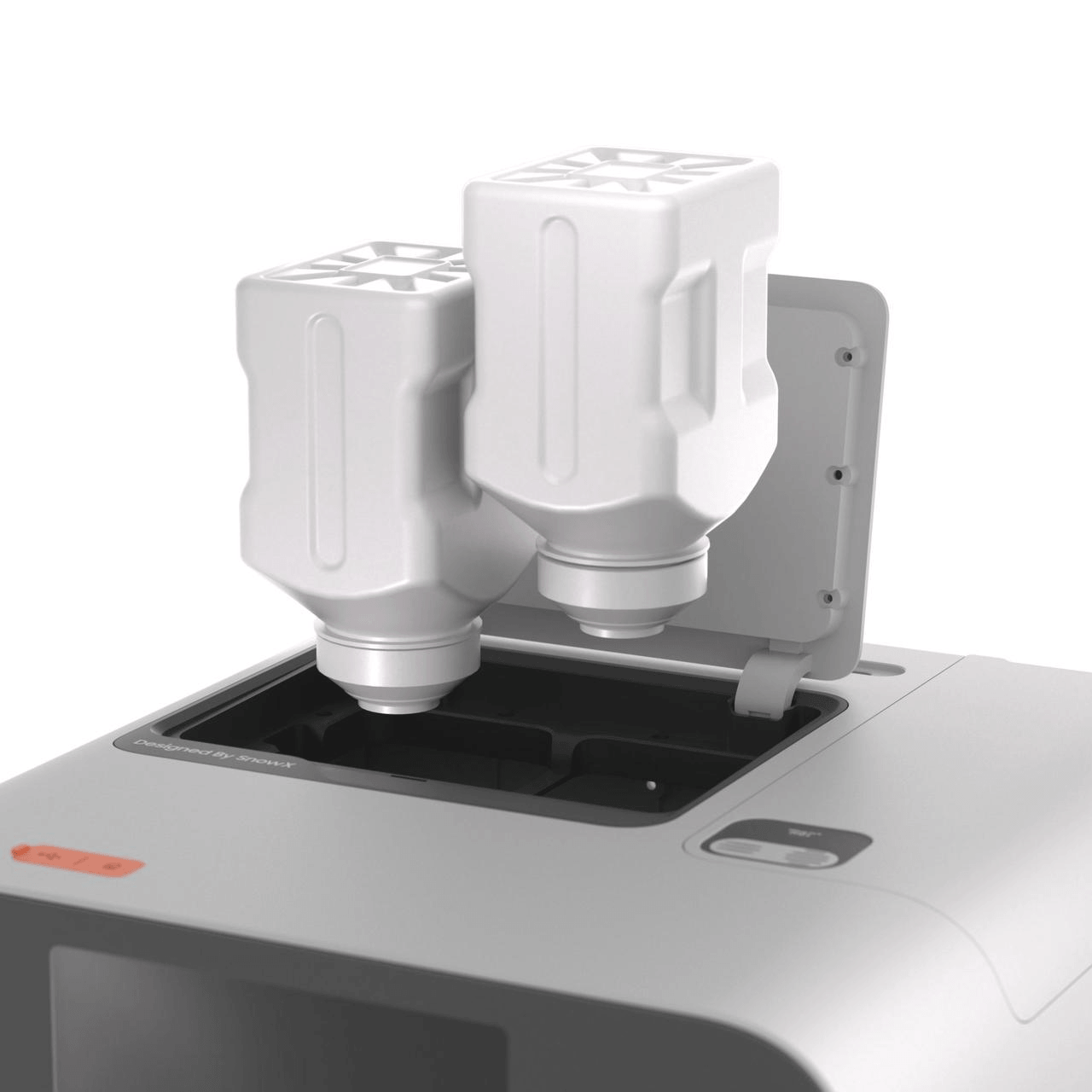
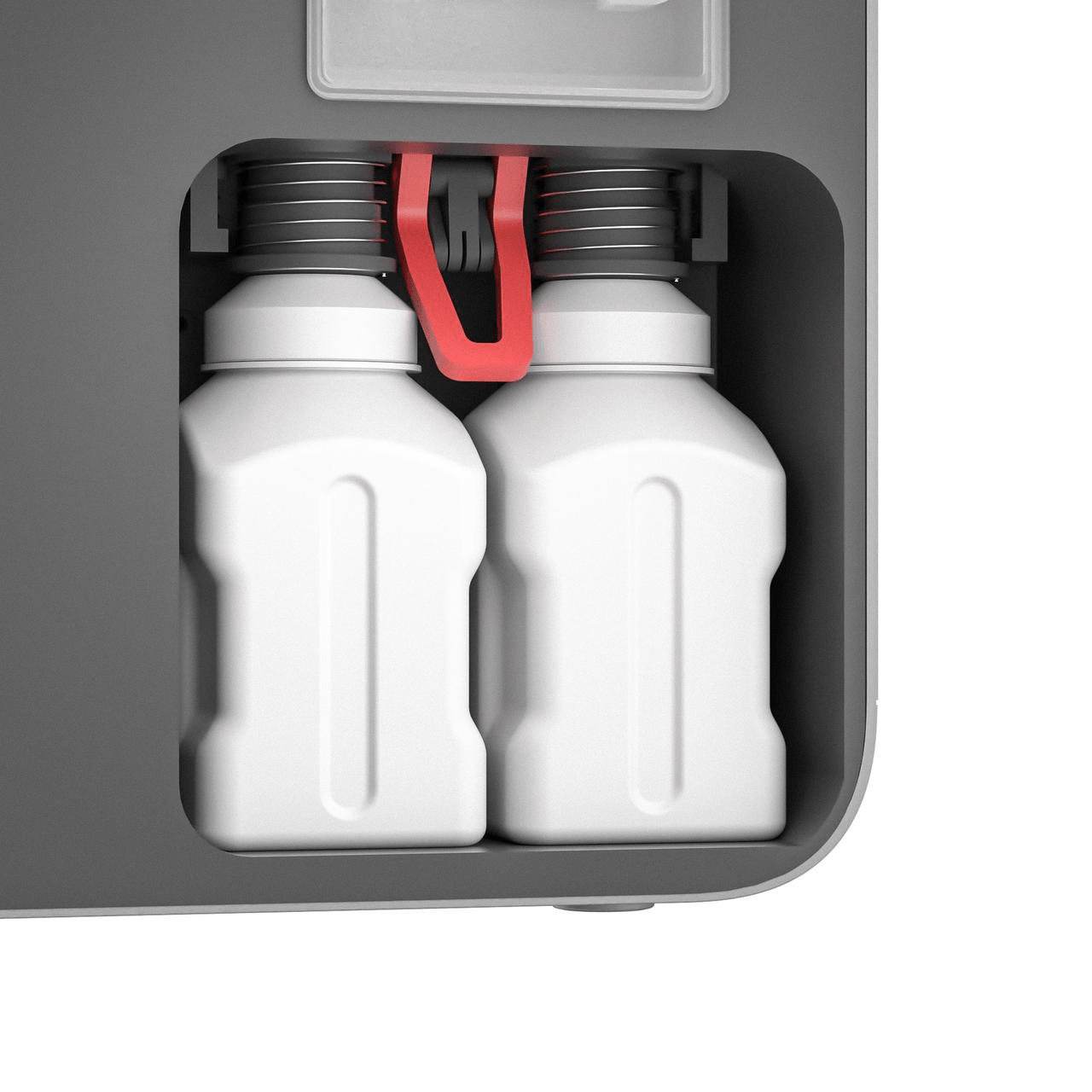
*Sealed and Replaceable Design for SnowPod Powder Cartridges
We also applied the toner cartridge idea of photocopiers to SnowPod.
Our metal powder comes in a sealed, replaceable powder cartridge for both supply and recovery, with no need to pour it into the machine, and less chance of fine powder spreading into the air.
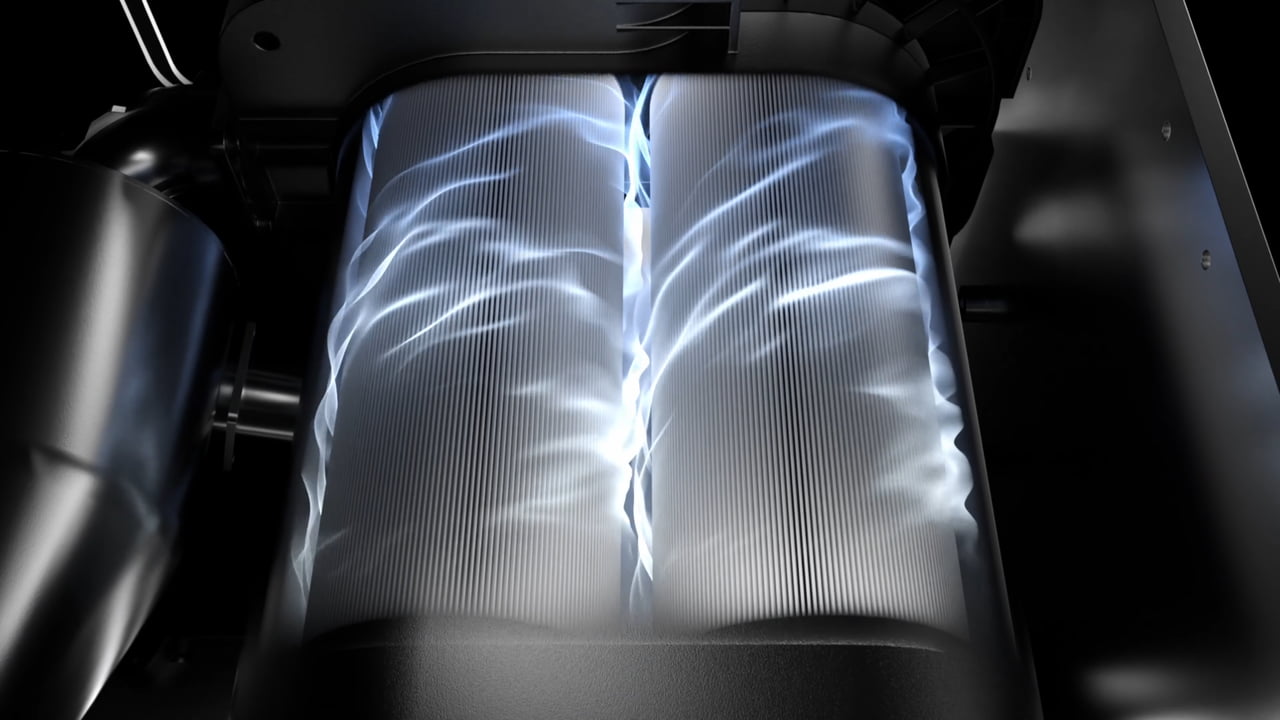
Meanwhile, to remove all the possible PM2.5 and PM10 in each print, we have a multi-stage filtration system. The particles all have to go through a cyclone for initial filtration, dual H13 filters for internal filtration, and a H14 filter for external filtration—rated for filtration efficiency of up to 99.995% for particle size larger than 0.3μm.
SnowPod is like an air purifier.
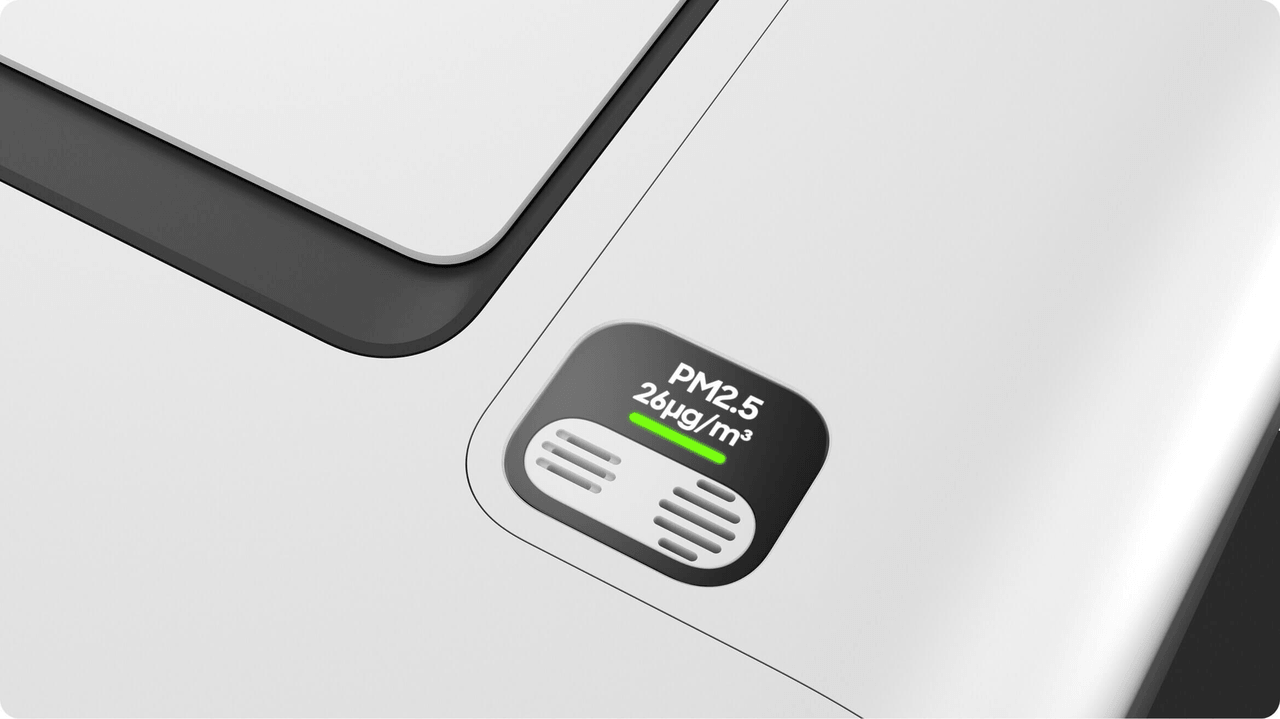
*High HEPA Level Filtration / PM2.5 Monitoring Sensor
SnowPod also continuously tracks PM2.5 on the machine surface, close to where users normally breathe. The sensor monitors particle levels near the upper air outlet and shows the reading in real time.
- Reduce fine particles at the source
- Avoid pouring them
- Filter the air itself
- Real-time monitoring PM2.5
Health Matters. This is the basic logic behind SnowPod's trial to chase enclosed powder handling.
Why We Select Non-Reactive Powders?
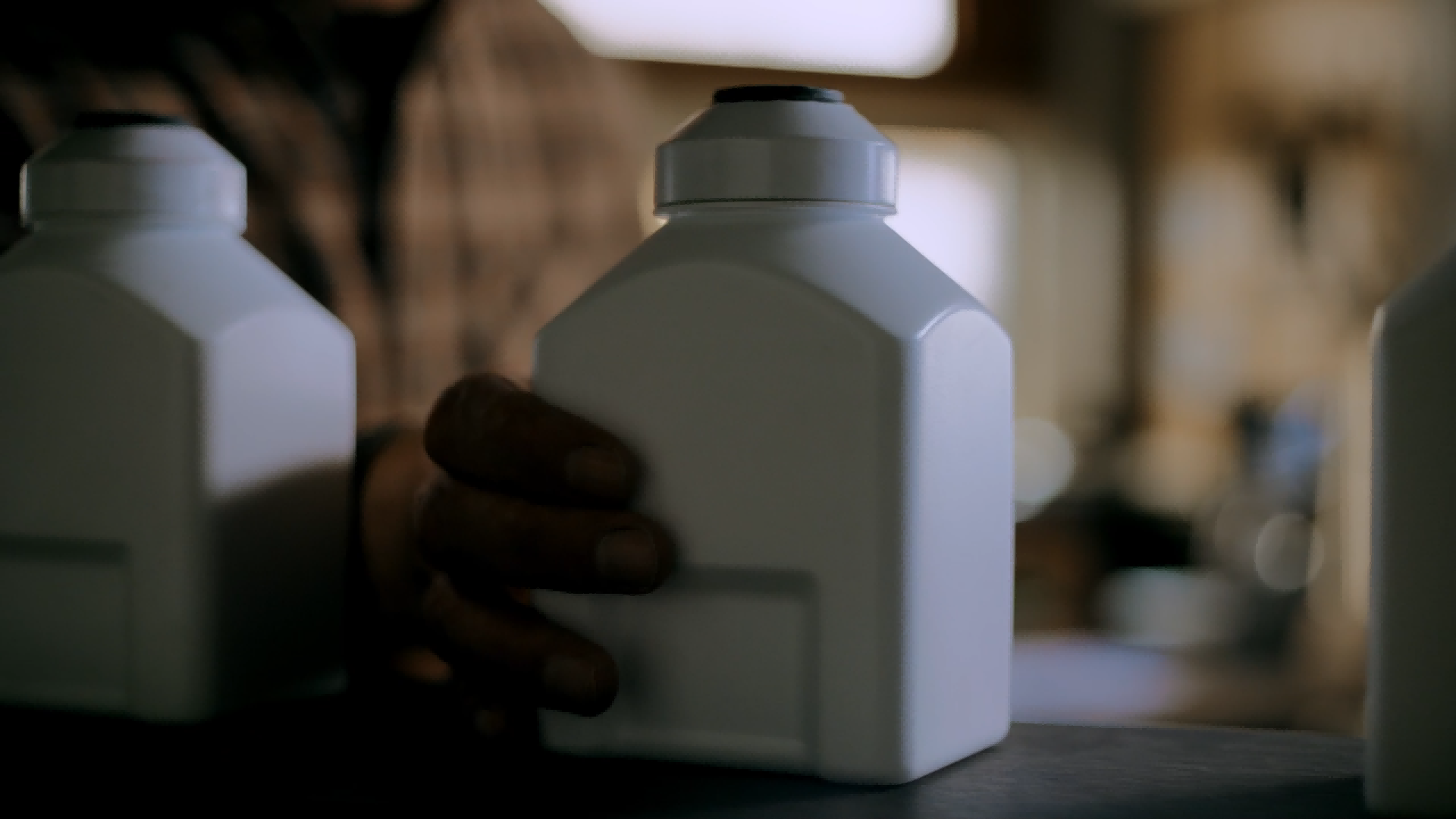
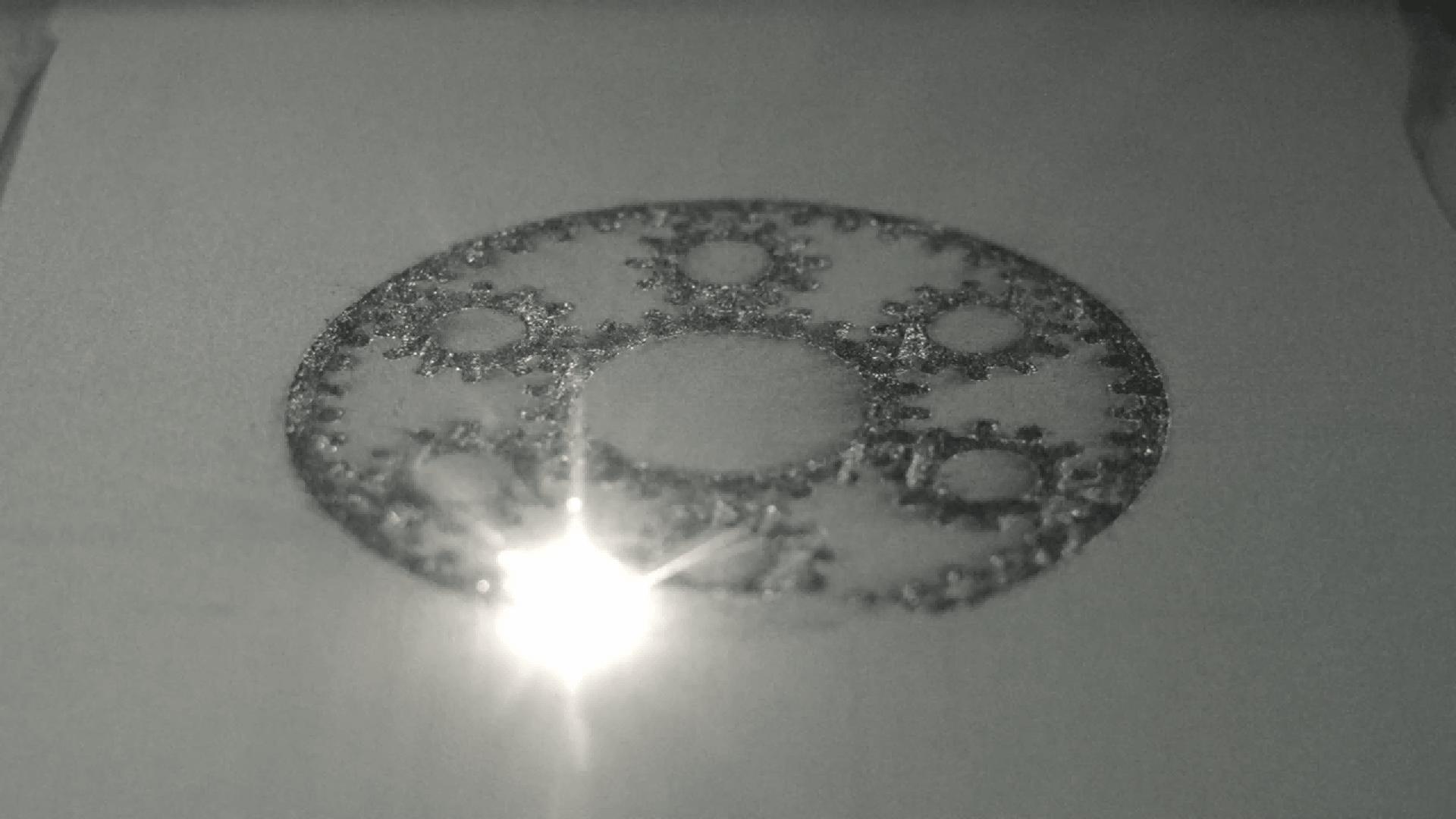
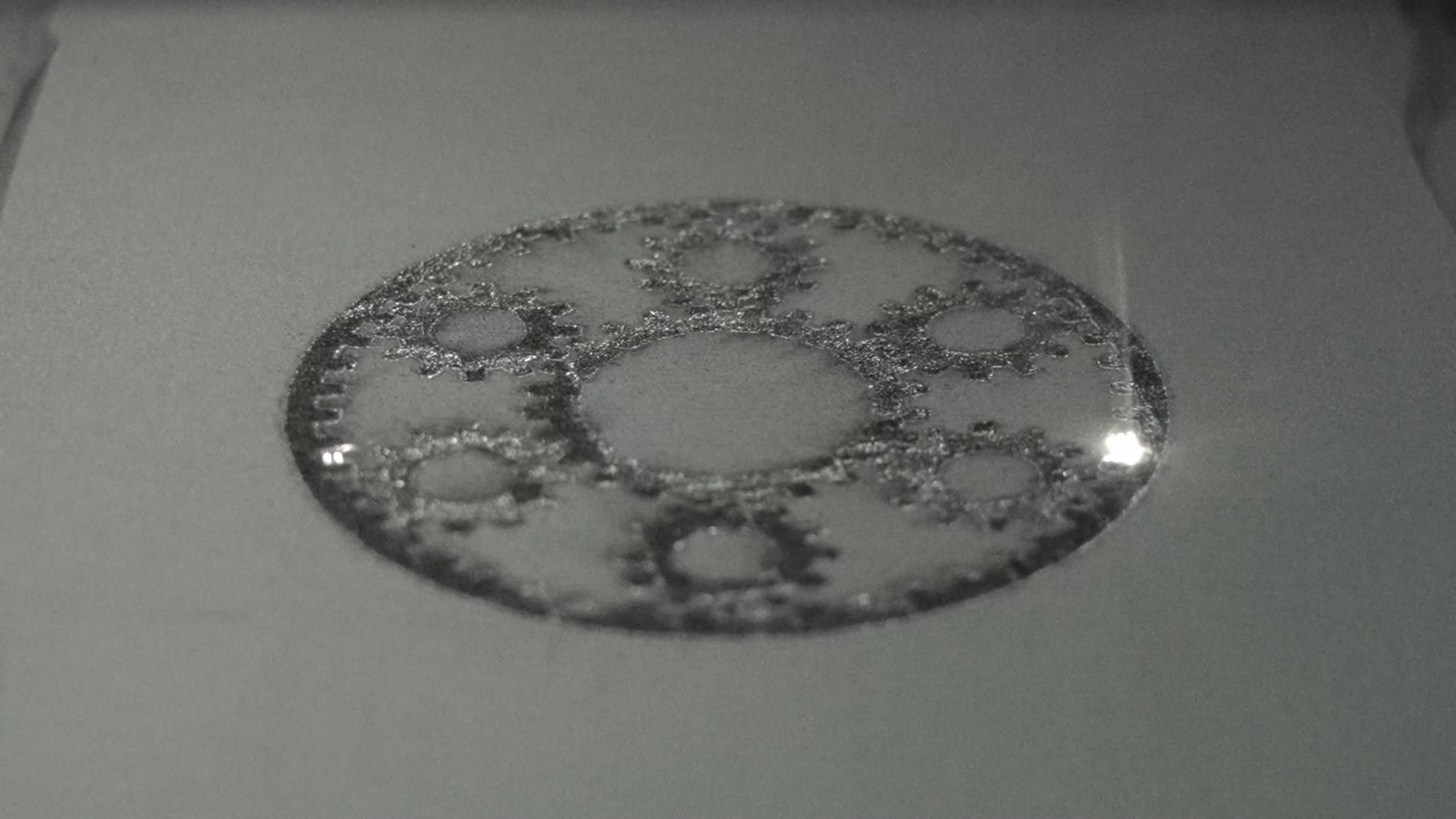
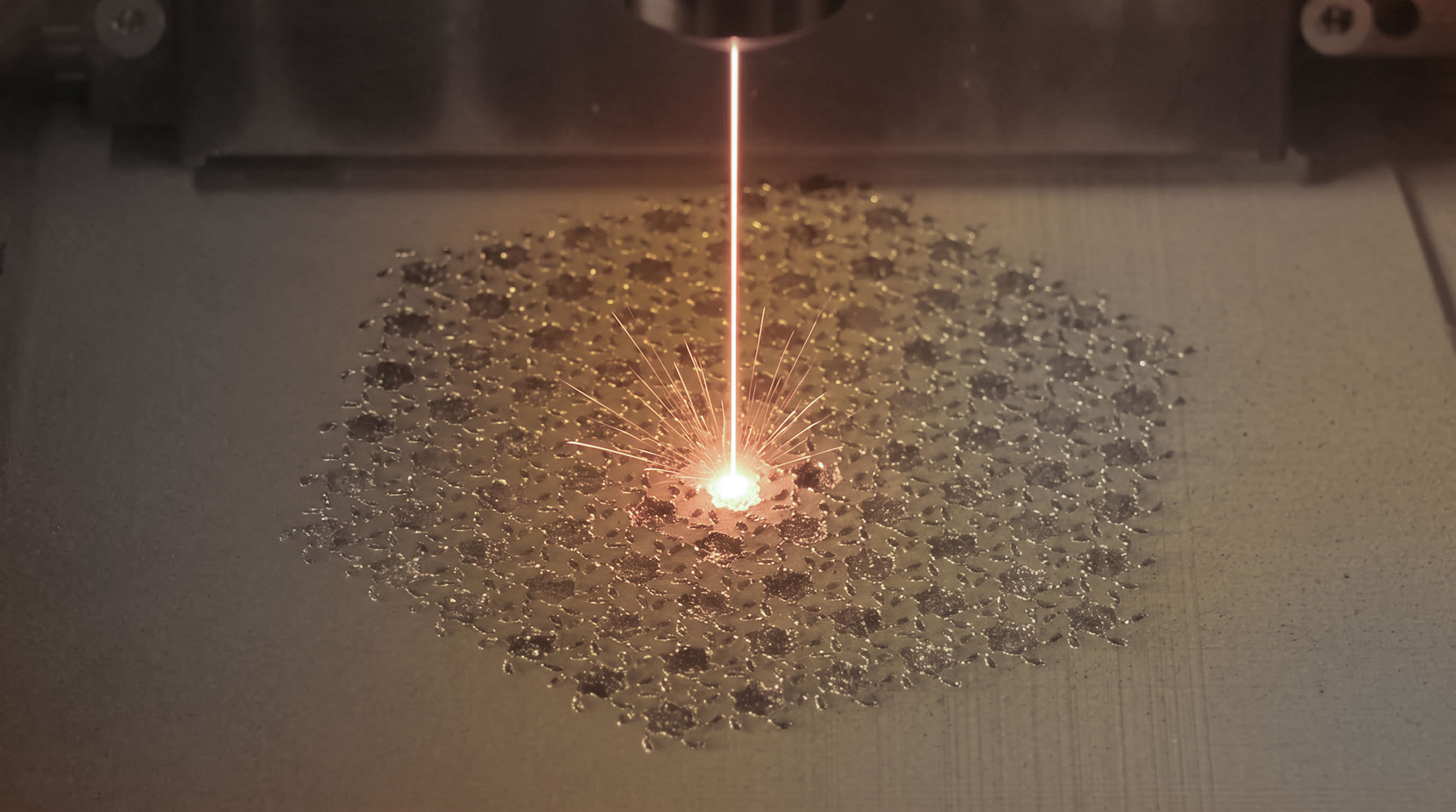
*Powder in Our Cartridge (Left); Stable Printing with Stainless-Steel Powder (Right)
At the very beginning, we hoped to support materials like titanium—it would have opened up some exciting possibilities. But after further consideration, we realized that highly reactive materials like titanium and aluminum are more sensitive and unstable, which does not fit the kind of desktop workflow we want to create.
So we made a clear decision: SnowPod is designed only for certified, non-reactive powders approved for the system.
Among non-reactive materials, we started with 316L stainless-steel powder, a comparatively stable material widely used in everyday applications, including surgical equipment. In the future, we may expand to other certified non-reactive materials, potentially including copper alloys with a gold-like appearance.
That also sets a clear boundary for use: the cartridge should always stay sealed and be used directly, which means it cannot be reloaded with other materials. Unknown powders can introduce serious safety risks.
SnowPod Designed for Truly Long-Term Use

Powder safety isn't an add-on. It's built into every step.
SnowPod keeps the powder journey—from material selection and loading to retrieval, recovery, filtration, and monitoring, all in one sealed system. For users, that means less direct handling and a safer, cleaner, healthier workspace for long-term use.
Keep the complexity in the machine. Leave the creation to you.